
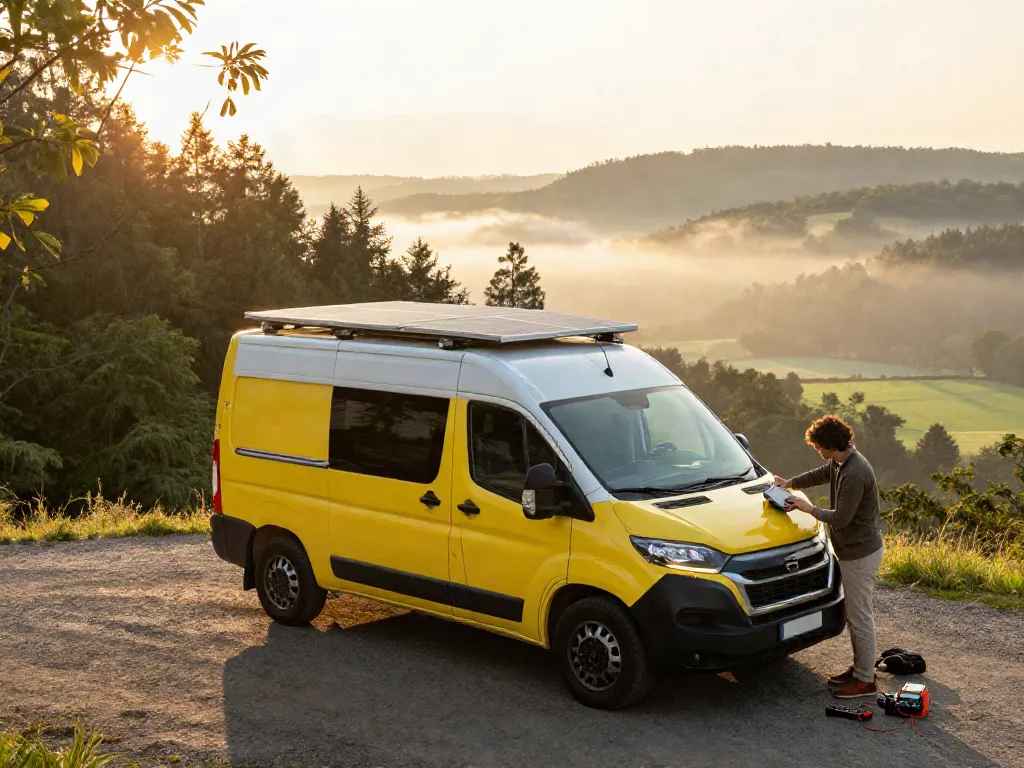
Understanding Van Conversion Electrics
When diving into the world of van conversion, one of the most critical aspects is understanding the electrics that power your new home on wheels. This involves comprehending the various components that make up a campervan electrical system, the importance of battery sizing, and how to effectively utilize solar energy to ensure your adventures are powered sustainably. At rokok88, you'll find a wealth of resources tailored to help you navigate these essential elements of van life.
Key Components of a Campervan Electrical System
A well-designed electrical system is the backbone of any campervan conversion. The key components include:
- Battery: The heart of your electrical system, providing energy to run appliances and systems.
- Solar Panels: Harness the sun’s energy to recharge your batteries, reducing reliance on traditional power sources.
- Inverter: Converts DC power from your battery to AC power, allowing you to use household appliances.
- Charge Controller: Regulates the voltage and current coming from your solar panels to prevent battery overcharging.
- Cabling and Connectors: Ensures safe and efficient power flow throughout your van.
Importance of Battery Sizing for Your Needs
Choosing the correct battery size is crucial for a successful campervan conversion. It directly affects the capacity to run appliances, lights, and other electrical systems. A common mistake among beginners is underestimating their energy needs. To accurately size your battery, consider the following factors:
- Daily Energy Consumption: Calculate how much energy your devices consume in a day.
- Battery Capacity: Measured in amp-hours (Ah), determining how long your system can run on battery power alone.
- Usage Patterns: Evaluate how often you will use the electrical systems.
Solar Energy: Maximizing Efficiency
Solar energy is an excellent way to power your campervan sustainably. To maximize efficiency, it's essential to choose the right solar panels, understand how to calculate their output, and integrate them effectively with your battery storage system. Consider the following:
- Solar Panel Type: Monocrystalline panels are typically more efficient and space-saving compared to polycrystalline options.
- Placement: Position panels where they will receive maximum sunlight throughout the day.
- Energy Calculations: Accurately calculate how much solar power you will need based on your energy consumption.
Choosing the Right Batteries for Your Van
Types of Batteries: A Comparative Analysis
There are several types of batteries to consider for your campervan, each with pros and cons:
- Lead-Acid Batteries: Affordable and widely available but heavy and less efficient.
- Lithium-Ion Batteries: Lightweight, efficient, and long-lasting, but more expensive.
- AGM Batteries: A good middle ground, offering maintenance-free operation and better deep cycle capabilities.
Calculating Battery Size: What You Need to Know
To determine the right size battery for your campervan, you'll need to know your daily energy requirements. Follow these steps:
- List all appliances and devices you plan to use in your van.
- Calculate the wattage of each device and how many hours you'll use them daily.
- Sum the total watt-hours and convert that figure to amp-hours (Ah) based on your battery voltage.
Maintenance Tips for Longevity
To ensure your battery lasts as long as possible, follow these maintenance tips:
- Keep Batteries Charged: Regularly check and maintain optimal charge levels.
- Avoid Deep Discharge: Aim not to run your battery below 50% of its capacity.
- Inspect Regularly: Look for corrosion and clean terminals to prevent performance issues.
Utilizing Solar Power Effectively
Solar Panels: Selecting the Right Type
Choosing the right solar panel type can significantly influence the efficiency of your campervan setup. Consider factors like space, weight, and efficiency ratings when making your selection. Also, think about the power output and durability to ensure they can withstand outdoor conditions.
Calculating Solar Output for Off-Grid Living
To calculate how much solar power you will need, you should take into account:
- Your Daily Energy Needs: The total watt-hours your devices require.
- Sunlight Hours: The average number of sunlight hours your intended location receives.
- Panel Efficiency: The efficiency rating of the solar panels you choose.
Integration of Solar Systems with Battery Storage
Integrating your solar setup with battery storage is essential. It ensures that the energy you harvest is effectively used and stored. Here are key points for integration:
- Charge Controller: Use one to manage input from solar panels to protect your batteries.
- Wiring: Ensure proper gauge wiring for efficient power transfer.
- Monitoring Systems: Consider installing a solar charge monitor to keep track of energy production and consumption.
Wiring Essentials for Your Camper Conversion
Understanding Wiring Diagrams and Layouts
Creating a wiring diagram is a crucial step in your camper conversion. This visual representation helps you plan how everything will connect, ensuring safety and efficiency. Make sure to include:
- All components: Batteries, inverter, solar panels, and chargers.
- Clear pathways for cables to reduce clutter.
- Color-coded wires for easier identification.
Choosing the Best Wiring Techniques for Safety
Wiring is a sensitive part of the electrical system; thus, choosing the right techniques is vital for safety:
- Use Proper Gauge Wires: Thicker wires reduce resistance and heat.
- Secure Connections: Use appropriate connectors and avoid loose connections.
- Fuses and Circuit Breakers: Protect your system from overloads.
Troubleshooting Common Wiring Issues
Understanding common wiring problems and how to troubleshoot them can save you time and frustration:
- Connection Issues: Check all connections if you experience power loss.
- Overheating: Look for potential short circuits if wires are overheating.
- Blown Fuses: Regularly replace blown fuses and investigate the reason behind their failure.
Practical Tips and Resources for Van Converters
DIY vs. Professional Installation: Pros and Cons
Deciding between a DIY approach or hiring a professional for your camper conversion can be tricky. Here are some pros and cons:
- DIY:
- Professional Installation:
Resources: Where to Find Quality Gear
Finding quality gear for your van conversion is essential. Consider reputable suppliers for batteries, solar panels, and wiring:
- Local hardware stores
- Online retailers specializing in van conversion supplies
- Forums and communities that focus on van life
Future Trends in Van Conversion Technology
As technology progresses, new innovations are emerging in the van conversion space:
- Smart Systems: Automation for lights, temperature control, and energy monitoring.
- Advanced Battery Technologies: Higher capacities with lighter weights, such as solid-state batteries.
- Eco-Friendly Materials: Greater use of sustainable materials in construction.
What is the Best Battery Size for My Van?
Determining the right battery size depends on your specific energy needs. It's essential to analyze your daily power consumption and choose a battery that can support it adequately.
How Do I Calculate My Solar Needs?
To calculate your solar needs, consider your energy consumption, average sunlight hours, and the efficiency of your solar panels. This will help you determine how many panels you need to install to maintain an off-grid lifestyle.
What Wiring Standards Should I Follow?
Following recognized wiring standards ensures safety and compliance. Use the correct wire gauge based on your amperage needs, and always include fuses or circuit breakers where necessary.
Can I Install Solar Panels Myself?
Yes, many enthusiasts successfully install solar panels on their own. However, ensure that you understand the installation process, local regulations, and safety measures to avoid complications.
What Are Common Issues with Campervan Electrics?
Common issues include battery failures, wiring problems, and inadequate solar setup. Regular maintenance and monitoring can help prevent these issues from becoming significant problems.