
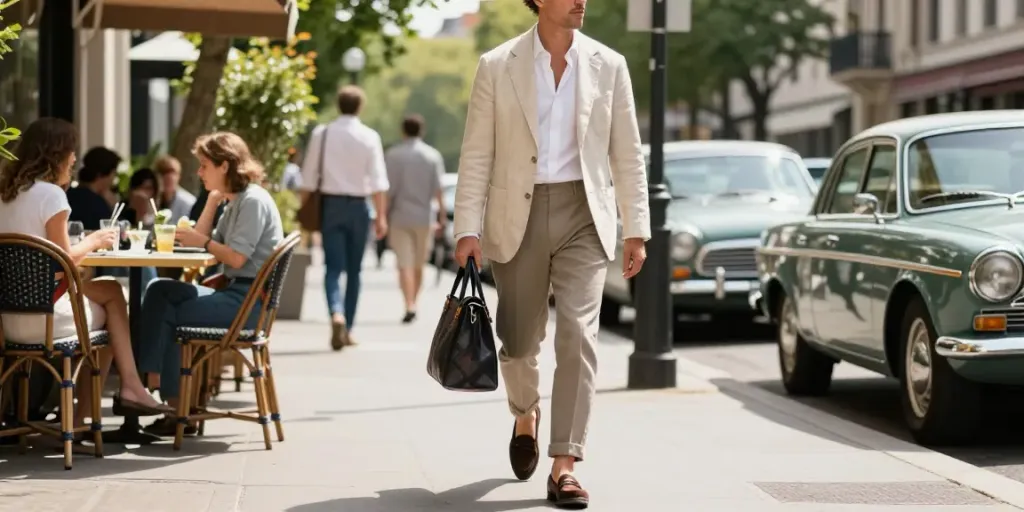
Understanding Men's Classic Clothing
Men's classic clothing is more than just a trend; it embodies a legacy of timeless style and elegance, often rooted in historical significance. The appeal of classic attire lies in its ability to communicate sophistication while maintaining versatility across various settings. From the boardroom to a casual dinner with friends, classic clothing allows men to express their personalities while adhering to traditional standards of quality and design. When exploring options, Men's Classic Clothing can serve as a compelling resource for those seeking stylish, well-crafted garments that define modern masculinity.
What Defines Classic Style in Men's Fashion?
Classic style in men's fashion is characterized by its emphasis on both simplicity and quality. The hallmark of classic attire is its independence from fleeting trends, focusing instead on timeless silhouettes that flatter the male form. Key elements include:
- Tailored Fit: A well-fitted garment enhances the wearer’s physique, ensuring a polished look.
- Neutral Colors: Shades such as navy, grey, white, and beige serve as a versatile palette that can be paired with various outfits.
- Quality Materials: Fabrics like wool, cotton, and linen offer durability and comfort, elevating the overall aesthetic.
This combination creates a wardrobe foundation that is both functional and stylish, making classic clothing a go-to choice for men of all ages.
The Importance of Tailoring and Fit
One of the most critical aspects of classic men's clothing is the fit. A well-tailored suit or shirt can make a significant difference in appearance and comfort. Tailoring ensures that clothing conforms to the individual’s body shape, enhancing key features while providing comfort. Understanding your body type and investing in a good tailor can transform off-the-rack pieces into bespoke-like clothing.
For instance, a suit jacket should hug the shoulders perfectly, while trousers should fall just above the shoes, creating an elongated look. Proper fit not only contributes to style but also boosts confidence, allowing men to present their best selves in any setting.
Essential Fabric Choices for Quality Attire
The fabric used in men's classic clothing significantly impacts the garment's quality and longevity. Choosing the right material is paramount. Here are some essential fabric considerations:
- Wool: Ideal for suits and outerwear, wool is breathable, durable, and offers good insulation.
- Cotton: Perfect for shirts and casual wear, cotton is soft, comfortable, and easy to maintain.
- Linen: A lightweight option for summer, linen is breathable and has a natural, relaxed look, although it wrinkles easily.
- Cashmere: This luxurious fabric adds a touch of sophistication to sweaters and scarves, providing warmth without bulk.
Understanding these fabric properties not only helps in making informed purchases but also enhances the overall dressing experience.
Key Pieces for Every Man's Wardrobe
Building a timeless wardrobe relies on choosing key pieces that serve multiple purposes and can be styled differently for varied occasions. Here are essential garments every man should consider:
Must-Have Shirts: From Casual to Formal
A well-assembled collection of shirts is the backbone of any classic wardrobe. Essential types include:
- White Dress Shirt: A staple for formal occasions, it pairs well with nearly any suit.
- Button-Down Shirt: Great for smart-casual looks, worn with jeans or chinos.
- Casual Linen Shirt: Perfect for summer outings, providing comfort and breathability.
Investing in quality shirts ensures versatility and longevity, allowing for seamless transitions between different looks.
Suits That Stand the Test of Time
Suits are another critical component of classic men's clothing. The right suit can project confidence and professionalism. Key considerations include:
- Two-Piece Suits: A tailored jacket and trousers in a matching fabric are appropriate for various settings.
- Three-Piece Suits: Including a waistcoat offers a more formal appearance, ideal for weddings or high-profile events.
- Blazers: A versatile option that complements dress pants and smart-casual wear.
Choosing a classic color, such as navy or charcoal, ensures longevity and compatibility with other wardrobe pieces.
Footwear Essentials for Classic Outfits
No classic outfit is complete without the right shoes. Essential styles should include:
- Oxford Shoes: A timeless choice for formal occasions, easy to pair with suits.
- Loafers: Ideal for smart-casual wear, offering comfort and style.
- Derby Shoes: Versatile footwear that bridges formal and casual aesthetics.
Investing in quality footwear not only enhances your outfit but also provides comfort throughout the day.
Seasonal Style Guides: Dressing for Any Occasion
Understanding how to adeptly layer and style clothing according to seasonal changes is crucial for maintaining a classic appearance. Here’s how to approach seasonal dressing:
Summer Looks: Staying Cool and Stylish
In the warmer months, focus on lightweight fabrics and breathable styles. Key items include:
- Linen Shirts: These keep you cool and stylish during hot weather.
- Chinos: A fantastic alternative to shorts, offering a smart-casual look.
- Lightweight Blazers: Perfect for evening events when temperatures drop.
Accessorizing with sunglasses and lightweight scarves can further enhance summer looks.
Winter Wardrobe: Layering for Comfort and Elegance
Winter dressing calls for strategy. Layering not only keeps you warm but also adds depth to your outfit. Key pieces include:
- Wool Coats: Essential for warmth, these can elevate any outfit.
- Cashmere Sweaters: Perfect for layering under jackets while providing warmth and comfort.
- Scarves and Gloves: Accessories that add both style and function.
Maintaining a cohesive color palette ensures that layers work harmoniously together.
How to Transition from Business to Casual Wear
Successfully transitioning from business to casual attire is an art. Here are tips to make the shift smooth:
- Swap the Suit for Blazers: Replace a formal suit with a smart blazer paired with chinos.
- Choose Casual Footwear: Loafers or smart sneakers can add a relaxed vibe without compromising style.
- Adjust Your Accessories: Swap out ties for casual watches or bracelets.
This allows for versatility while still maintaining a classic edge, adapting to various settings effortlessly.
Investing in Quality: The Long-Term Benefits
Investing in quality classic clothing pays dividends over time. Here’s why quality is crucial:
Understanding Cost vs. Value in Men's Fashion
While quality items often come with a higher initial investment, understanding their long-term value is essential. Factors to consider include:
- Durability: High-quality garments withstand wear and tear better, lasting longer than cheaper counterparts.
- Timelessness: Classic pieces remain stylish, ensuring they do not go out of fashion quickly.
- Versatility: Quality items can be worn in various settings, maximizing their utility.
Ultimately, investing in quality clothing is about acquiring pieces that will serve you well for years.
Building a Timeless Capsule Wardrobe
A capsule wardrobe is a curated collection of essential pieces that can be mixed and matched to create countless outfits. Key elements include:
- Classic White Shirt
- Navy Suit
- Well-Fitted Jeans
- Neutral Cardigan or Blazer
- Quality Footwear
This approach simplifies dressing, reduces clutter, and ensures you have quality items at the ready for any occasion.
Care Tips to Extend the Life of Your Clothing
Proper care of your clothing can significantly extend its lifespan. Here are crucial care tips:
- Follow Care Labels: Always adhere to washing and drying instructions to prevent damage.
- Store Properly: Use appropriate hangers and avoid overcrowding your wardrobe.
- Schedule Regular Cleaning: Have suits and delicate fabrics professionally cleaned to keep them looking their best.
By following these care tips, you can maintain the appearance and integrity of your classic clothing pieces.
Future Trends in Men's Classic Clothing for 2026
As we look ahead, several trends are shaping the landscape of men's classic clothing. These trends indicate a shift toward more sustainable and innovative practices while still valuing tradition.
How Sustainability is Shaping Modern Fashion
In recent years, sustainability has moved to the forefront of many fashion conversations. Key trends include:
- Eco-Friendly Materials: An increase in the use of organic and recycled fabrics is becoming common.
- Transparent Manufacturing: Brands that openly share their production processes are gaining consumer trust.
- Longevity Focus: Consumers are increasingly prioritizing quality and durability over fast fashion.
As sustainability becomes a priority, classic clothing brands are adapting to ensure they meet consumer expectations while adhering to timeless styles.
The Role of Technology in Clothing Design and Fit
Technology is revolutionizing how clothing is designed and fitted. Innovations include:
- 3D Body Scanning: This technology provides accurate measurements for better-fitting clothing.
- Virtual Fit Technology: Allows customers to visualize how garments will fit on them before making a purchase.
- Online Customization: Brands offer bespoke options online, enabling personalized fits and styles.
This fusion of tradition and technology is making classic clothing more accessible and tailored to individual preferences.
Emerging Brands to Watch in Men's Classic Clothing
Several up-and-coming brands are redefining classic menswear, focusing on quality and innovative design. Notable names include:
- Alohas: Known for their sustainable shoes and accessories.
- Everlane: Offers transparent pricing and ethical manufacturing.
- SuitSupply: Direct-to-consumer suits that focus on fit and quality.
These brands are setting trends while respecting the essence of classic menswear, appealing to a new generation of consumers.
What is the Best Way to Shop for Classic Men's Clothing?
When shopping for classic men’s clothing, consider the following:
- Know Your Measurements: Accurate sizing ensures better fits.
- Research Brands: Look for quality over quantity, focusing on established names in classic menswear.
- Invest Wisely: Prioritize versatile pieces that can serve multiple occasions.
By approaching shopping with intention, men can curate a wardrobe that balances classic style with modern needs.
How Can I Incorporate Classic Pieces into My Wardrobe?
Integrating classic pieces into your existing wardrobe involves understanding how to mix and match styles. Start with basics:
- Layering: Use classic jackets or blazers over casual shirts for a polished look.
- Smart Accessories: Incorporate ties, belts, and watches to elevate outfits.
- Balance Casual and Formal: Pair fitted trousers with a casual knit for a balanced look.
This flexibility allows for personal expression while remaining stylish and appropriate for various occasions.
What Fabrics Should I Look for in Men's Classic Clothing?
When selecting fabrics, aim for quality and durability. Key options include:
- Wool: Provides structure and warmth.
- Cotton: Offers breathability and versatility.
- Silk: Ideal for ties and formal shirts, providing a touch of luxury.
Each fabric has unique properties that contribute to the overall quality of a garment.
Where Can I Find Affordable Classic Men's Clothing?
Affordable options for classic men's clothing include:
- Outlet Stores: Often carry high-quality brands at reduced prices.
- Seasonal Sales: Shopping during sales events can significantly lower costs.
- Online Retailers: Websites often have exclusive deals on classic menswear.
Some brands even offer subscription services that provide curated pieces at budget-friendly prices.
How Do I Style Classic Pieces for Modern Looks?
To style classic pieces effectively for a modern aesthetic, consider:
- Mixing Textures: Combine various fabrics for visual interest.
- Playing with Proportions: Pair oversized outerwear with slim-fit trousers.
- Accessorizing: Use bold accessories to add a contemporary twist to classic outfits.
By incorporating modern elements, classic clothing can feel fresh and relevant.