
Understanding Septic Service: What Homeowners Need to Know
For homeowners, understanding septic services is crucial for maintaining a healthy and efficient septic system. Septic systems are an integral part of many homes, especially in areas where city sewer systems are not available. Regular maintenance and timely service can prevent costly repairs and ensure your system functions properly. Therefore, it's essential to familiarize yourself with what septic service entails, how often you should invest in it, and what signs indicate your system needs attention. When exploring options, septic service providers offer comprehensive insights into maintaining your home’s septic system effectively.
What Does a Septic Service Include?
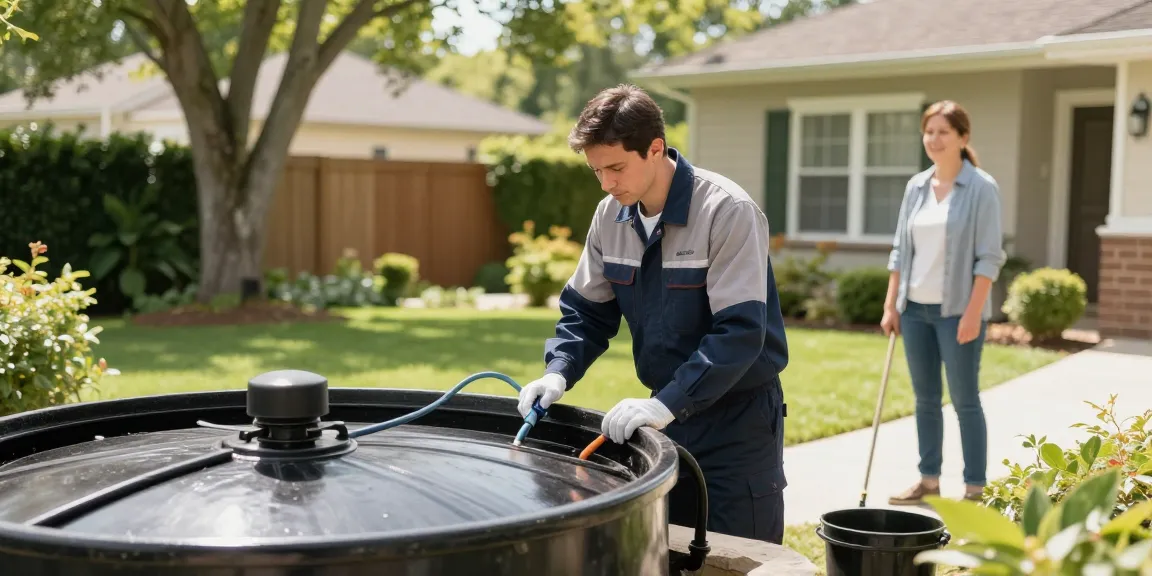
Septic service includes a variety of tasks designed to keep your septic system functioning correctly. These typically involve:
- Pumping: This is the primary service, which involves removing sludge and scum from the septic tank to prevent overflow and system backup.
- Inspections: Professionals check for any signs of damage, leaks, or other issues within the system.
- Maintenance: Regular check-ups can significantly extend the life of your septic system.
- Repairs: If any part of your system malfunctions or breaks, reliable service providers will carry out necessary repairs.
- Drain field care: Ensuring the drain field is free of blockages and functioning efficiently is also part of good septic service.
Signs You Need Professional Septic Service
Homeowners should be attentive to certain signs that might indicate the need for professional septic service, including:
- Foul Odors: Unpleasant smells around your property can indicate a septic issue.
- Slow Drains: If your sinks or toilets are draining slowly, it may signify a clog or a full septic tank.
- Sewage Backup: Backflow into your home is a clear sign that immediate service is required.
- Greener Grass: Unusually lush or green patches in your yard can indicate a leak in your drain field.
Importance of Regular Maintenance and Inspections
Regular maintenance and inspections help homeowners avoid significant problems that can lead to costly repairs. It is recommended to have your septic system inspected at least once a year and pumped every three to five years. This proactive approach can extend the life of your system and prevent emergencies.
Choosing the Right Local Septic Provider
Finding a reliable local septic service provider is essential for ensuring quality work and peace of mind. It involves assessing several factors before making a decision.
Key Qualities to Look for in a Septic Service
When selecting a septic service provider, consider these crucial qualities:
- Licensing and Insurance: Ensure the company is licensed in your state and carries insurance to protect you as a homeowner.
- Experience: Look for providers with extensive experience in septic systems and a good reputation within the community.
- Availability: Choose a provider that offers emergency services and can respond quickly to your needs.
- Affordability: Get quotes from multiple providers to ensure you receive competitive pricing.
Comparing Local Septic Service Providers
Take the time to compare local septic service providers carefully. Check customer reviews, ask for recommendations from friends or family, and verify their services offered. A valuable tip is to contact multiple companies and ask about their warranty policies and service contracts.
Questions to Ask Before Hiring
Before deciding, consider asking your prospective septic service provider the following questions:
- What services do you specialize in?
- Are you licensed and insured?
- How long have you been in business?
- Can you provide references?
- What warranties or guarantees do you offer?
Cost Breakdown of Septic Services
Understanding the costs involved in septic services helps homeowners budget accordingly and make informed decisions about maintaining their systems.
Average Costs for Septic Pumping in 2026
As of 2026, the average cost to pump a septic tank typically ranges from $250 to $500. This price can vary depending on tank size, location, and accessibility. Additional services, such as inspections or repairs, may incur extra fees. Always request a detailed estimate before agreeing to any service.
Factors Affecting Septic Service Pricing
The cost of septic services can be influenced by various factors, including:
- Location: Geographic location can significantly impact service rates due to differing costs of living.
- Size of the System: Larger tanks may require more effort and time to service properly.
- System Condition: Systems in poor condition may need additional work, leading to increased costs.
- Service Type: Emergency services generally come at a premium compared to regular service schedules.
Creating a Budget for Annual Maintenance
It's wise to budget for septic services annually. A suggested approach is to allocate $300-$700 for regular pumping and inspections. Additionally, setting aside funds for unexpected repairs will ensure you're financially prepared for any necessary maintenance.
Compliance and Safety: Licensing and Insurance in Septic Services
Adhering to local regulations and ensuring safety during septic services is vital to avoid penalties and ensure effective system operation.
Local Regulations for Septic Service Providers
Every state has specific regulations governing septic services. Ensure your chosen provider complies with local health department guidelines, which may include permitting and inspection protocols. Familiarize yourself with these aspects to ensure compliance.
Importance of Hiring Licensed Professionals
Hiring licensed professionals is critical to guaranteeing that your septic system is serviced correctly. They are trained to handle potential hazards and adhere to local regulations, reducing risks associated with improper handling.
How Insurance Can Protect You During Service
Insurance protects homeowners in the event of accidents or damages during service. Ensure that any provider you hire carries appropriate liability insurance to safeguard your interests in case of unexpected problems.
Maintaining Your Septic System: DIY vs Professional Service
While some homeowners may consider DIY maintenance, many tasks are best left to professionals to ensure safety and effectiveness.
When to Tackle DIY Maintenance
Simple tasks like monitoring for signs of distress or maintaining proper water usage can be handled by homeowners. However, more technical tasks should always be performed by a qualified professional to avoid injury and system damage.
Advantages of Hiring Expert Septic Services
Experts offer experience, knowledge, and specialized equipment that homeowners typically lack. This expertise enables them to diagnose and rectify problems effectively, often preventing future complications.
Emergency Septic Services and Their Importance
Septic emergencies can occur without warning, leading to serious health concerns and costly damages. Having reliable access to emergency septic services is crucial for swift resolution to such issues.
FAQs About Septic Services
How often should I schedule septic service?
It is generally advised that homeowners schedule pumping every three to five years, with annual inspections to catch potential issues early.
What are the signs of a failing septic system?
Signs include persistent odors, slow drains, sewage backup, and unusual lush areas of grass near the drain field.
How much does septic service cost in my area?
Costs can vary widely based on multiple factors, including location, service type, and the condition of your system. For more information, Miltonsepticpumping.com offers valuable insights. Expect to pay between $250 and $500 for routine pumping.